An intermodal terminal worth 300 million PLN is being built in Radom. New life for the former heat and power plant site
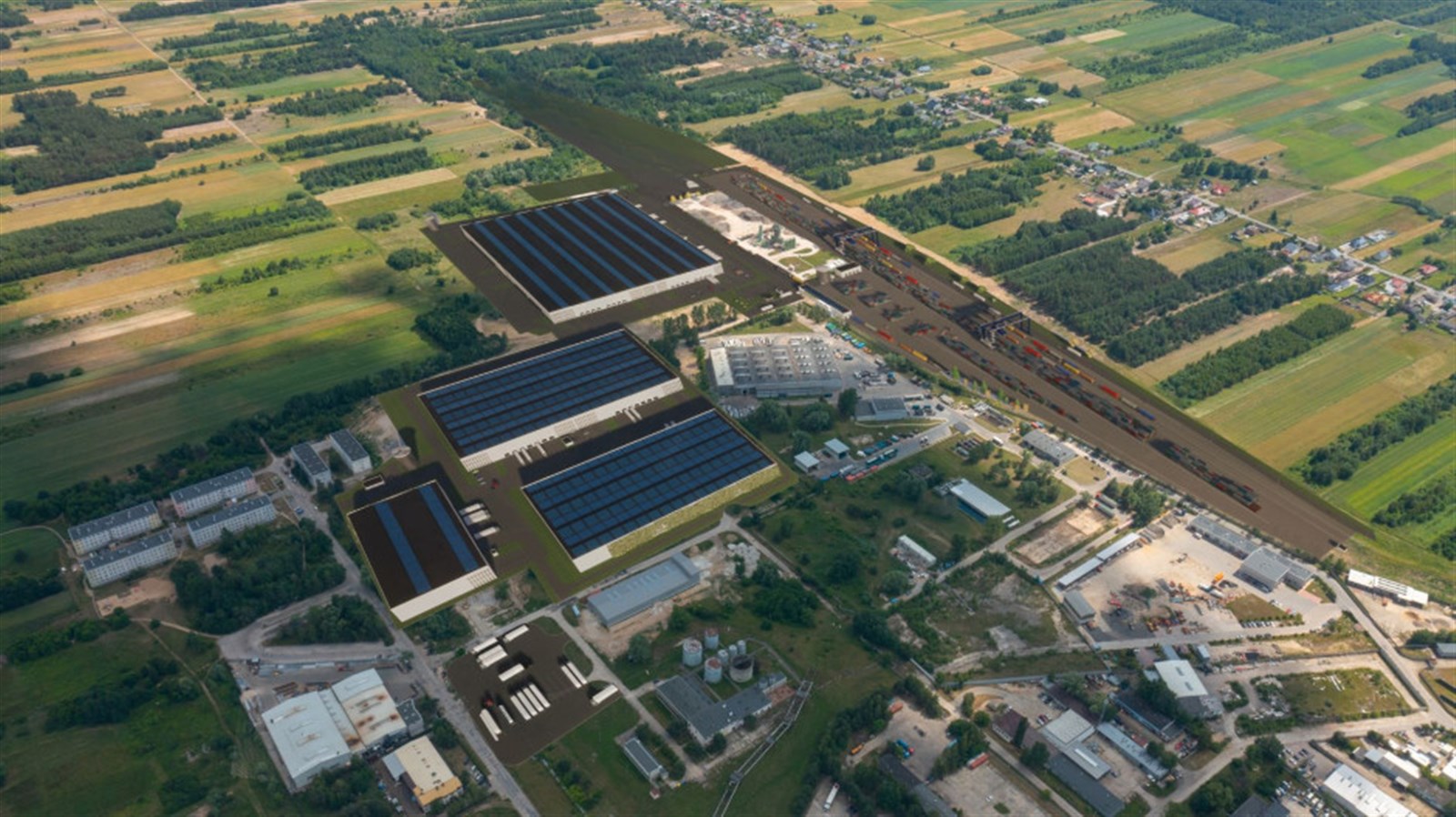
The project will occupy about 10 hectares on ul. Energetyków and involves creating infrastructure enabling efficient container transshipment between rail and road transport.
100,000 sqm of logistics infrastructure
Approximately 100,000 sqm of warehouse and transshipment space will be built on the investment site. The project will utilize an existing, long-unused railway siding and the proximity of railway line No. 8, which will significantly increase the facility's transport potential.
The terminal is intended to serve as an important point for intermodal transport, which combines rail and road haulage, shortening delivery times and optimizing logistics costs.
108 million PLN in support from European funds
The construction of the terminal was supported by funds from the FEnIKS – European Funds for Infrastructure, Climate, Environment program. The subsidy amounts to 108 million PLN, which accounts for approximately 36 percent of the total investment value.
The project was among the leaders in a nationwide competition and took second place on the ranking list, second only to an investment carried out by the company Contargo in Łódź.
A new industrial district of Radom
The investment could become an impulse for the development of the entire area. Along with the influx of private capital, the city is planning to modernize road infrastructure, including the reconstruction of ul. Marii Gajl, which will serve as the main access route to the terminal.
The proximity of the Stara Wola railway stop and the developing transport infrastructure increase the potential of this part of Radom as a future logistics and industrial center.
Revitalization of brownfield sites
The project is an example of utilizing degraded post-industrial areas. The area of the former Elektrociepłownia Radom will be transformed into a modern transport hub handling container transshipments.
Intensive earthworks and installation work are already underway at the construction site, and the completion of the investment is planned for next year.
Intermodal transport is becoming increasingly important
The realization of the terminal fits into a broader trend of intermodal transport development in Poland. Combining rail and road transport allows for reducing emissions, increasing logistics efficiency, and improving the competitiveness of national transport infrastructure.