Construction of the warehouse in Okęcie is gaining momentum
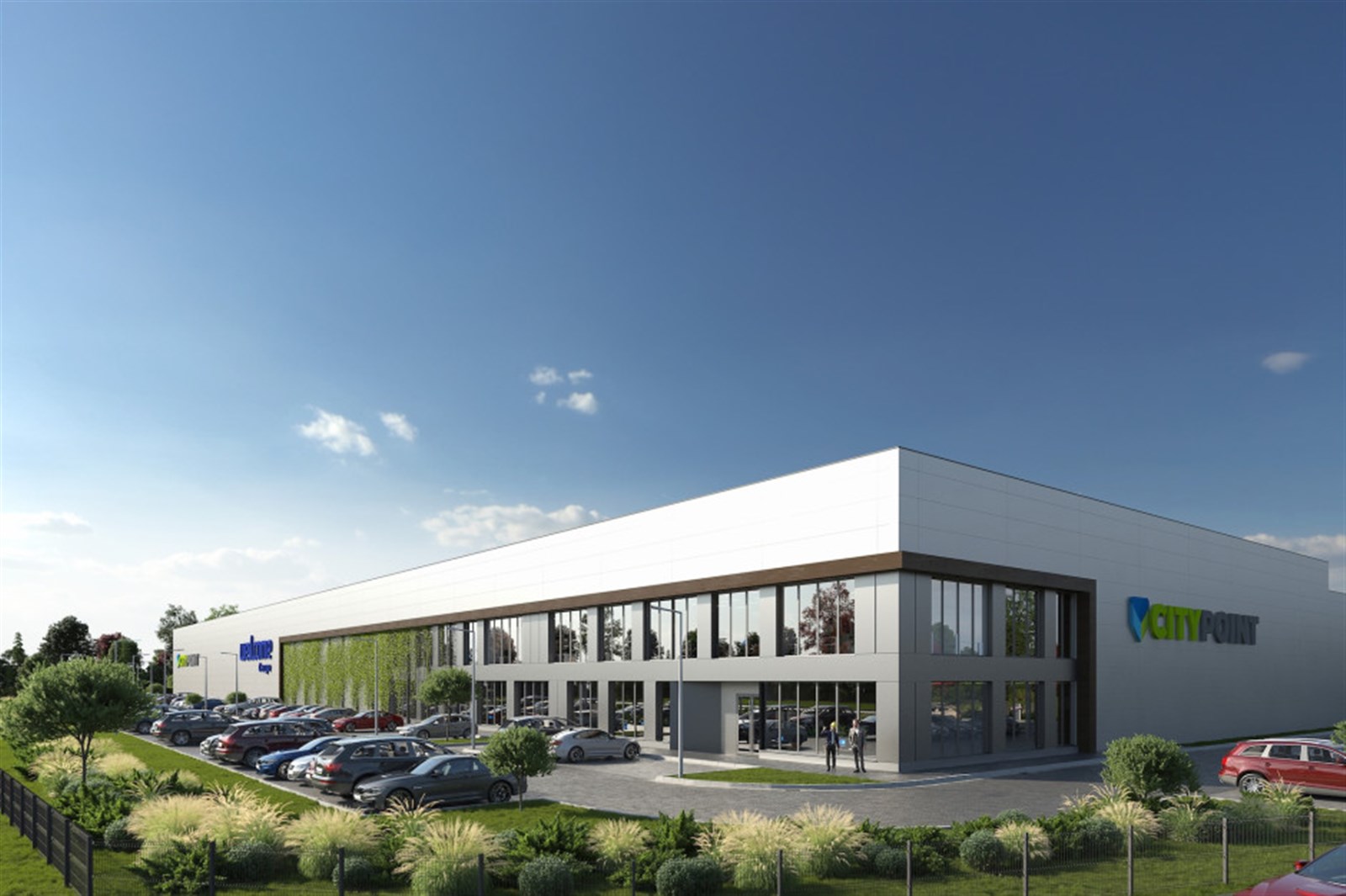
The construction of City Point Okęcie is progressing. One of the key goals of the investment is to reduce the carbon footprint through the use of renewable energy sources and energy-efficient building management systems.
- Already at the concept stage, we made the decision to start sustainability consulting, which enabled the implementation of optimal solutions from the very beginning of the investment, long before the General Contractor began construction work. The building incorporates „future-proof” solutions that will ensure its high operational efficiency and better resilience to the effects of climate change – emphasizes Katarzyna Krześniak, ESG Project Manager at Peakside Capital Advisors.
Green energy and energy efficiency
The facility will soon feature heat pumps that will be responsible for both heating and cooling the hall. By utilizing energy from the environment, this system will significantly reduce greenhouse gas emissions while ensuring high energy efficiency.
A photovoltaic installation with a capacity of 450 kWp will be mounted on the warehouse roof, generating approximately 360,000 kWh of energy annually. Part of the produced energy will be used to power the heat pumps, which will further reduce operational energy consumption from external sources.
Intelligent water management
Comprehensive water resource management solutions will be applied in the facility. It is estimated that thanks to an appropriate design approach, drinking water consumption will be reduced by up to 65% (according to BREEAM methodology). One of the elements of this system will be a retention tank, collecting rainwater for sanitary purposes. In the absence of rainfall, the system will automatically switch to supply from the municipal water network.
The greenery around the building has been designed with local natural conditions in mind. Native species of trees, shrubs, and grasses will be planted, which are resistant to the prevailing climate and do not require additional irrigation. Additionally, rain gardens will be created, which will not only make the space more attractive but also allow for the management of part of the excess rainwater on the investment site, thus limiting its runoff to external receivers.
Modern and comfortable usable space
In the office section, special attention has been paid to the comfort of future users. Each workstation will have access to daylight and the possibility of natural ventilation through openable windows. A modern recreational zone has been planned on the investment site, including places for rest and elements supporting an active lifestyle. The project has been enriched with elements encouraging the use of ecological forms of transport, such as covered bicycle racks and electric car charging stations, available at 3% of parking spaces.
Sustainable materials and intelligent building management
The facility uses sandwich panel cladding with a reduced carbon footprint, which significantly reduces the overall embodied carbon footprint of the building, and the climbing vegetation planned on the southern part of the facade supports natural cooling of the facade. The facility will be managed by an advanced BMS system, enabling ongoing monitoring and optimization of utility consumption, while LED lighting will ensure energy efficiency and user comfort.
Responsible approach to the construction process
During the implementation of the investment, good construction practices are applied, in accordance with LEED and BREEAM certifications. These include actions aimed at reducing pollution emissions, preventing erosion, and ensuring control over rainwater runoff. The project assumes the use of finishing materials with low Volatile Organic Compound (VOC) emissions and strict control of construction processes in terms of pollution reduction.