Panattoni enters the Baltic states with its BTS offer
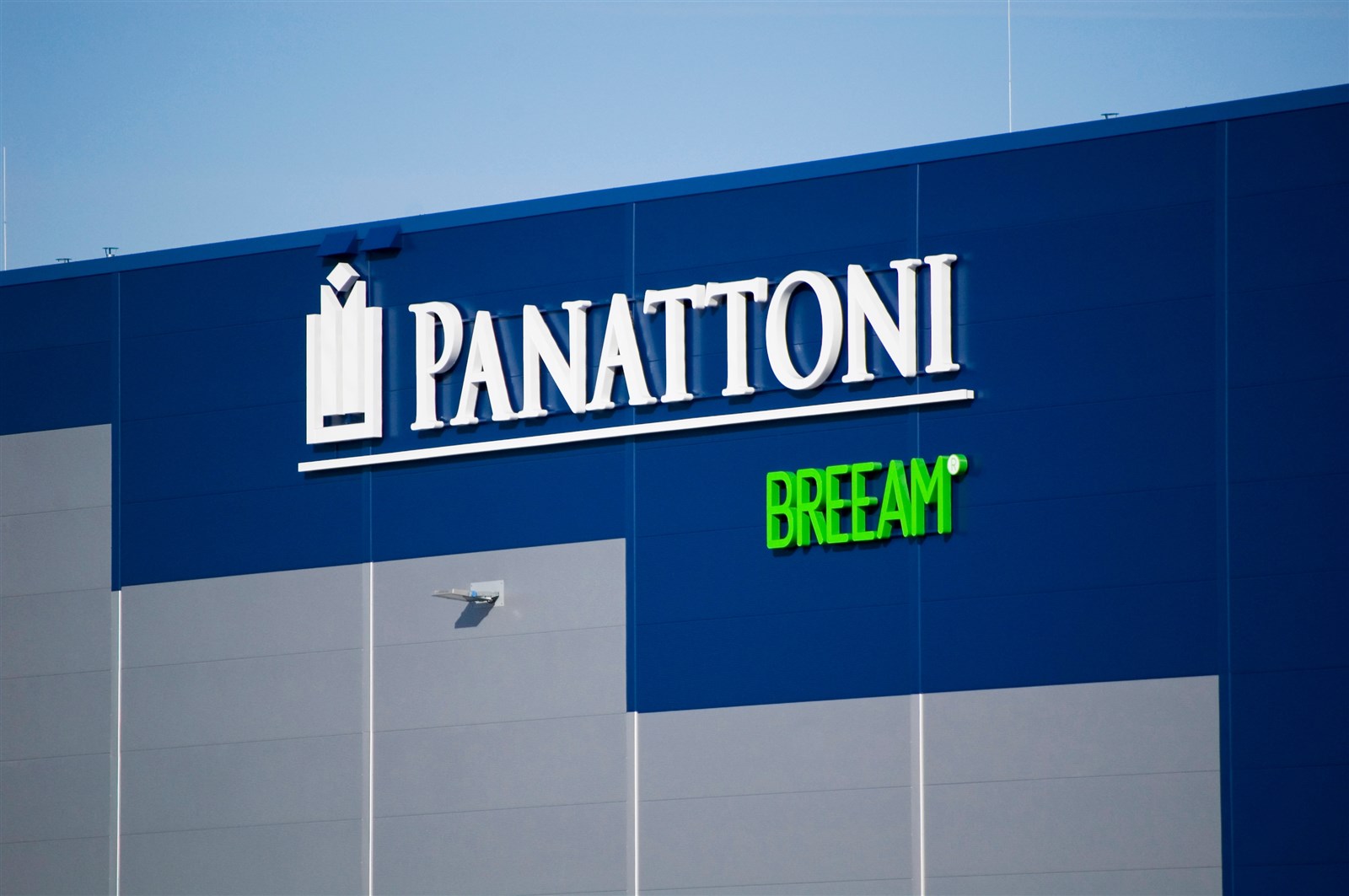 Panattoni is expanding its operations to the Baltic states – Lithuania, Latvia and Estonia. The new initiative is a response to the growing demand in the region for modern industrial BTS solutions.
Panattoni plans to develop its operations in all three Baltic states, with a particular focus on the Lithuanian market. As part of the new strategy, the company intends to introduce a unified cross-border offer that will allow clients to use BTS solutions both in Poland and in the Baltic states. In the first phase, the project will be managed from the headquarters in Warsaw, with plans to establish a local office in the future.
- „Entering the Baltic markets is an exciting opportunity for us to support the development of local economies by providing modern logistics and industrial solutions. The Panattoni BTS offer is perfectly tailored to the current needs of clients in this region” – says Marek Foryński, Managing Director, Panattoni BTS
The Baltic markets are currently characterized by a higher number of older buildings and lower investment liquidity in the industrial real estate sector. The banking sector can also be a limitation for investors. Despite these challenges, Panattoni sees great development potential, especially in the context of nearshoring and infrastructure investments, such as VIA Baltica. An asset is the proactive actions of the Baltic governments in attracting new investors and supporting economic development.
- „Entering the Baltic states with a BTS offer is a response to the specific expectations of our clients who need tailor-made industrial space solutions in this part of Europe. We believe that the ability to present a unified cross-border offer will be a helpful tool for their further development” – emphasizes Jerzy Kozłowski, BTS Development Director, responsible for the development of Panattoni projects in the Baltic states.
Panattoni's expansion will also bring benefits to local economies – it will contribute to increasing the liquidity of the logistics real estate market and the development of modern industrial facilities, especially in the lease model, which is currently not very popular in this region.