Panattoni points to the growing commitment of European logistics to sustainable development
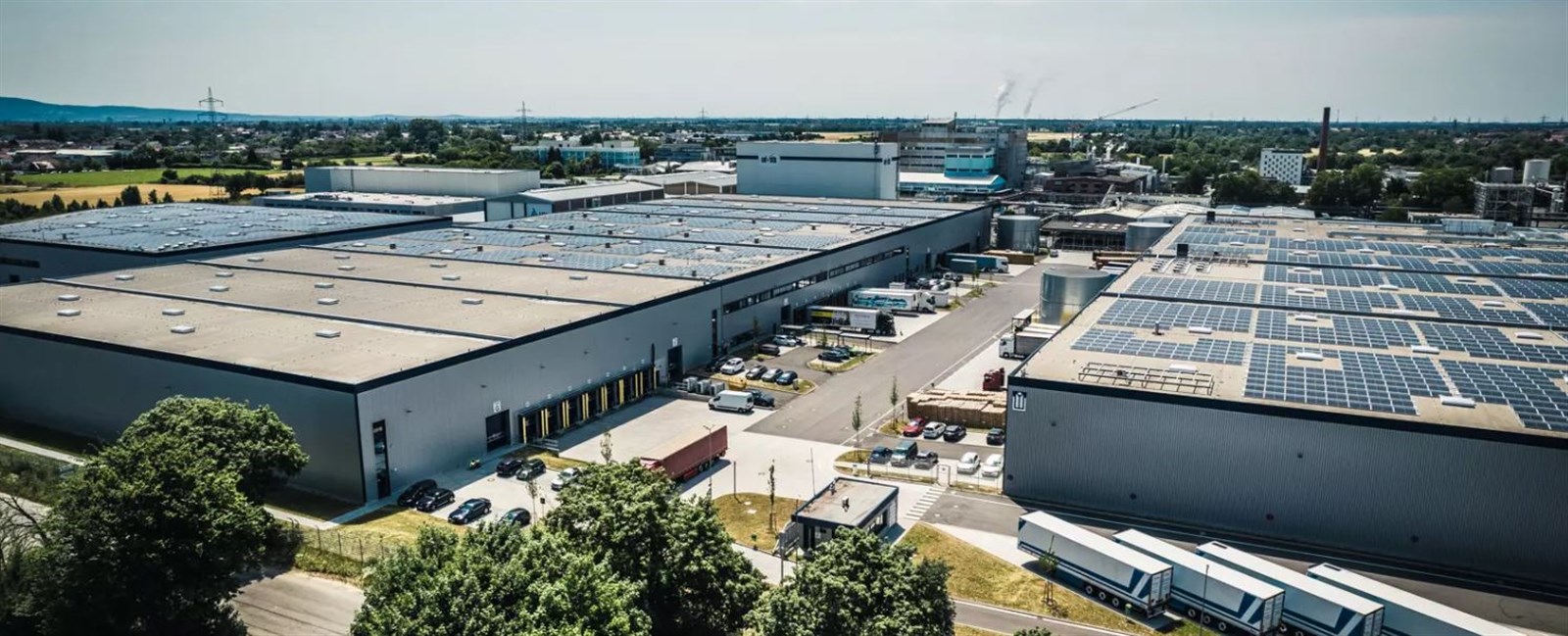 Panattoni has once again joined forces with the international law firm HFW and the research company Analytiqa to reveal the pace of sustainable development in European logistics and supply chains in 2023. The survey results reveal that:
• 72% of respondents have committed to reducing CO2 emissions within the next 5 years
• Demand for electric vehicle (EV) charging stations has risen sharply from 53 to 67%
• Energy-saving solutions in warehouses are important or very important to 81% of respondents
The latest "Report on sustainable development in European logistics and supply chains 2023" highlights the growing interest in electric vehicle charging stations, water resource conservation, and renewable energy storage facilities that allow for on-site storage.
Compared to the 2022 report, in which as many as 80% of respondents indicated the need to reduce their carbon footprint, this year's study shows that 45% of companies are willing to pay higher rent - equal to the savings in total operating costs - to move into green facilities. Interestingly, this percentage rises to 51% among 3PL companies, which testifies to a clear shift towards sustainable real estate. Emilia Dębowska, Head of Sustainability at Panattoni, commented: "Given the context of fuel and energy risks, it is not surprising that for the second time, energy-saving solutions (such as solar panels, lighting sensors, LED, heat exchangers, cooling devices, etc.) will be a key area of interest and the most important element of ESG in companies' warehouse operations – 64% of all respondents answered this way".
This year's report also draws attention to the ever-increasing importance of certificates such as BREEAM. The number of companies using them has increased from 27% to 31%. Despite the importance of operating costs, one-third of companies now see the real value of environmental certificates, and another 53% are considering it in the context of potential costs. Accreditations according to standards such as CDP and GRI also reinforce the growing commitment.
Analyzing some of the legal and contractual issues related to sustainable development, Matthew Gore, a partner at HFW, noted: "In 2023, 72% of companies (up from 69% last year) included ESG goals in tender processes. More companies are also introducing them as obligations to be met for partners in the supply chain (32%, up from 28% last year). It is also worth noting that although companies can and do use different approaches to tracking contract compliance with ESG requirements, the importance of self-reporting is decreasing while auditing is increasing".
Moreover, the consequences of failing to meet defined goals will now be less associated with financial penalties, as the number of companies insisting on the right to terminate contracts in case of non-compliance is growing. As many as 13% of all respondents have lost or not renewed a warehouse contract due to failure to meet ESG goals.
One of the most important elements of the 2023 Report is the emphasis placed on the role of government and sector guidelines in shaping the future of fuel choices. The need to decarbonize transport is clearly marked - as many as 66% of respondents recognize proximity to electric charging points as "very important" or "important". While this indicator has fallen from 77% in 2022, it rather points to a potential shift towards companies preferring individual charging infrastructure.
The 2023 study highlights the enormous challenges facing companies, but more importantly, it emphasizes the continuation and determined drive towards greater carbon neutrality. Tangible benefits, including increased investor interest, stronger media interest, and broader government support, are compelling incentives here.
The study was conducted in 15 key European countries, including the Netherlands, Poland, Germany, France, and the United Kingdom. It was carried out on a representative group of logistics service providers, freight forwarders, courier companies, and enterprises from the manufacturing and retail sectors.