The largest cargo transshipment hub in Europe is being built in Sławków.
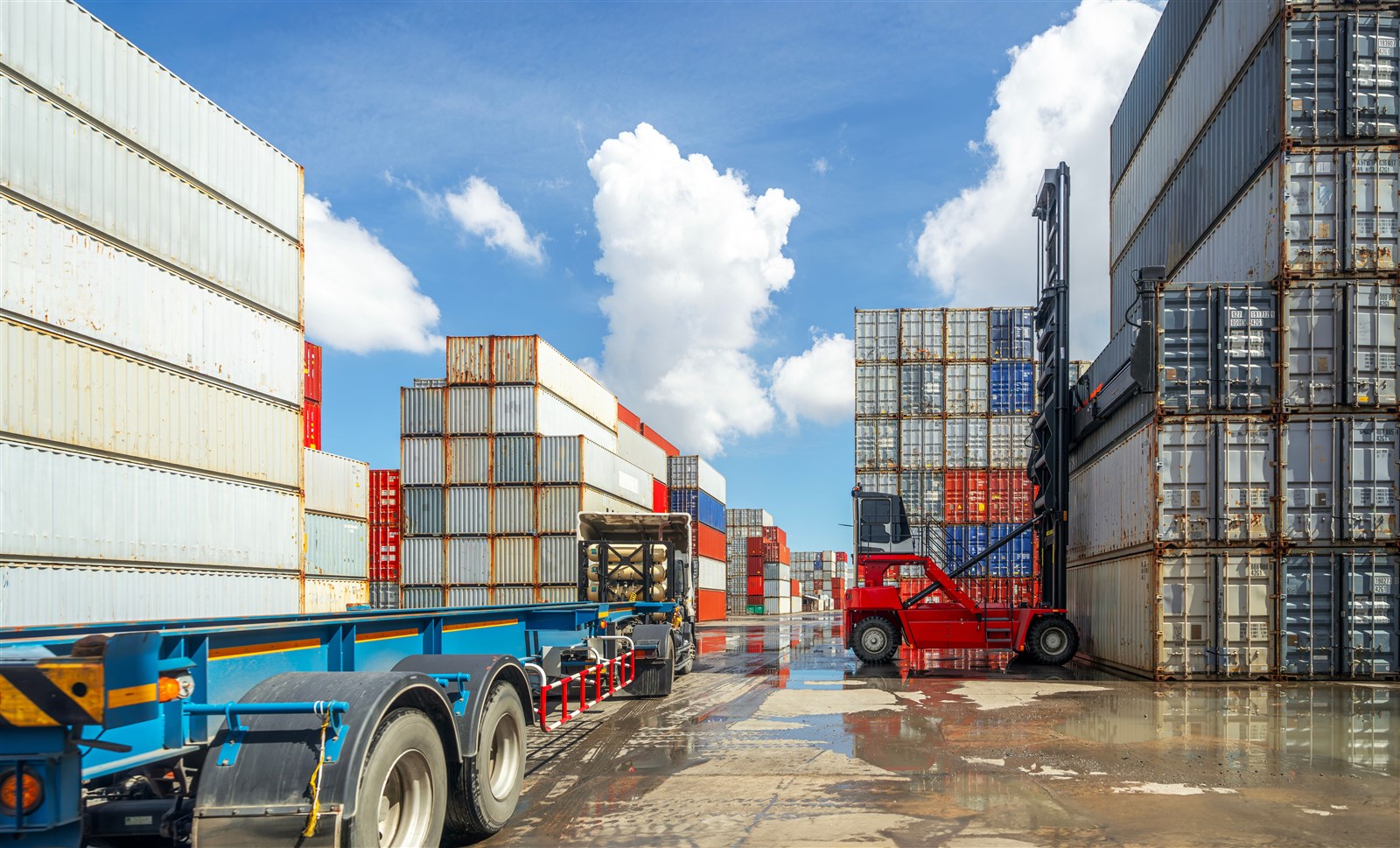
A strategic investment is underway in Sławków, Silesia, that could fundamentally reshape Poland’s position on Europe’s logistics map. The expansion of the Euroterminal is set to transform it into the largest dry logistics port in Europe and significantly strengthen Poland’s role in international trade.
The project aims to nearly double the terminal’s current handling capacity—from around 285,000 to over 500,000 containers (TEU) per year. This large-scale expansion is the result of a collaboration between the Industrial Development Agency and industry partners, with total investment exceeding one billion euros.
The Euroterminal’s location—at the junction of broad-gauge and standard-gauge railway lines—makes it an ideal hub for rail freight between the Far East and Asia, and Western Europe, including transit through Ukraine. Additionally, the terminal aligns with Europe’s north–south transport corridor, further boosting its strategic value.
One of the key goals of this investment is to prepare Poland for the logistical demands of Ukraine’s postwar reconstruction. The Sławków terminal is expected to serve as a major transshipment point in the region, forming a vital link in the supply chain for materials and goods essential to rebuilding the neighboring country.
Authorities also emphasize the importance of keeping this strategic logistics infrastructure under Polish control. Maintaining national oversight over the expanded terminal is meant to ensure that Poland remains the primary economic and operational beneficiary of the investment.
At a press conference held Monday in Sławków, Prime Minister Donald Tusk stated: “If we’re talking about tens or even hundreds of billions of zlotys that the world, Europe, and Ukraine will spend on rebuilding Ukraine, this is precisely why we are expanding this logistics hub—this logistical heart of Europe—so that Poland can benefit financially. There’s nothing wrong in saying: yes, we want to earn significant money for Poland through Ukraine’s reconstruction. We want to help, but we also want to benefit. And for that, we need this special hub—this special dry port.”